Claude computes a nine-loop amplitude in N=4 super-Yang-Mills
Claude solved a nine-loop amplitude in N=4 super-Yang-Mills, a computation previously considered out of reach for AI. Anthropic’s blog post documents the challenge, the method used, and the resulting calculation, showing a frontier model can perform complex physics tasks, though verification remains limited to the authors.
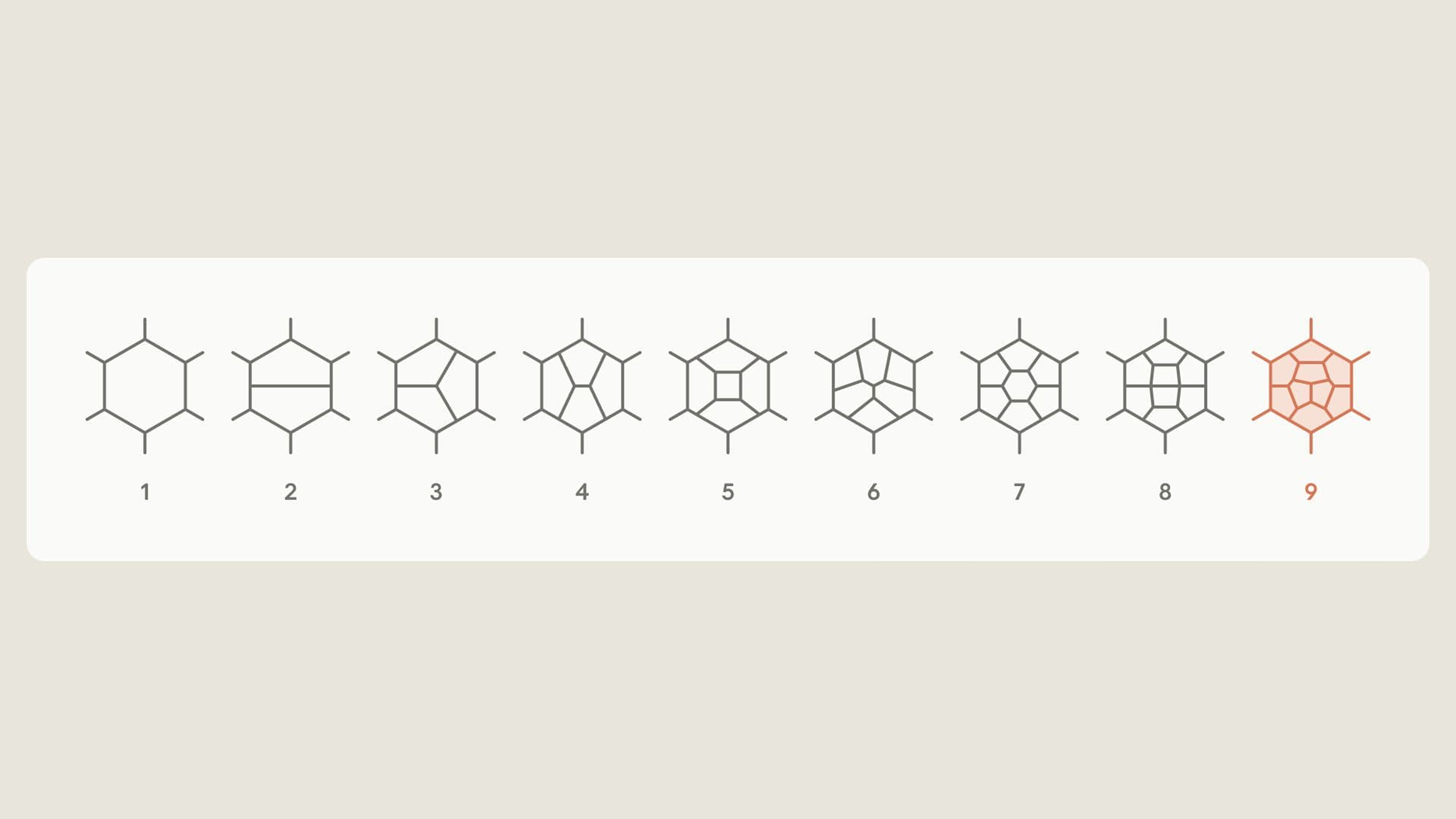
Physicist Matt von Hippel publicly asked artificial intelligence firms to solve a difficult problem in amplitudeology. He requested calculations for N=4 super Yang-Mills up to nine loops or N=8 supergravity to seven loops. Anthropic accepted the specific task involving the former theory. Their model performed the complex computation on standard academic hardware resources. Scattering amplitudes describe how subatomic particles interact and react. Higher loop counts yield more precise predictions for physics experiments. Currently, most formulae are only calculated to two loops. A few reach three, while the most exact known prediction used five. Solving nine loops demonstrates significant computational capability. It suggests current language models can handle tasks previously deemed too hard for available computer time. This shifts the boundary of what automated systems can achieve in theoretical research contexts. The source does not confirm independent verification by outside scientists. Verification remains limited to the authors involved in the project. It is uncertain whether the result fully validates the model’s underlying reasoning. The discussion focuses on computational difficulty rather than conceptual novelty. No claims are made regarding superintelligence or general world-changing abilities. The outcome addresses a specific technical hurdle in physics calculation.